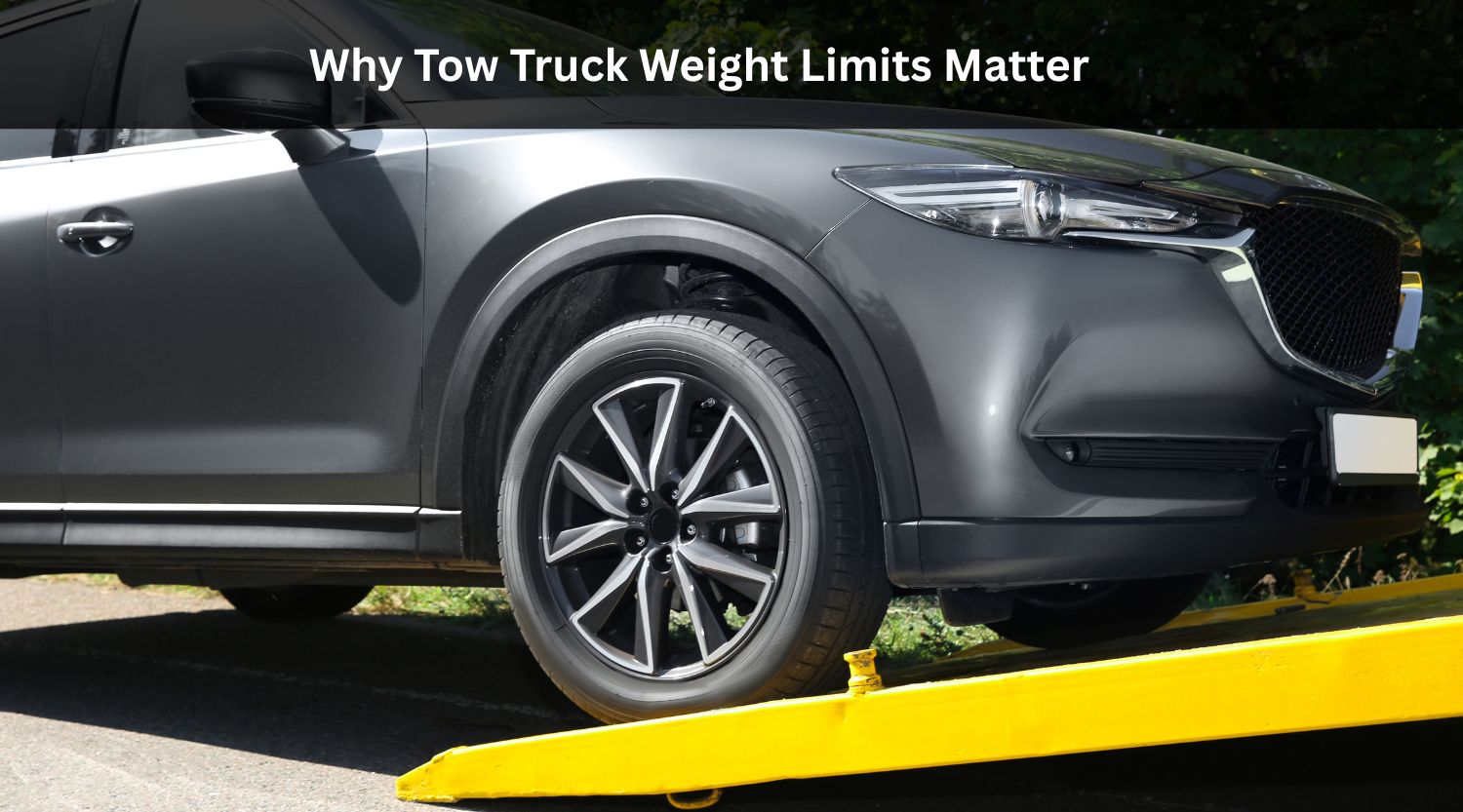
Tow trucks are designed to carry and pull heavy vehicles, but even they have limits. Every tow truck has a maximum weight it can safely handle, known as its weight limit or towing capacity. Ignoring these limits can lead to serious accidents, vehicle damage, and legal trouble. Understanding why tow truck weight limits matter helps drivers, towing companies, and vehicle owners stay safe on the road.
Understanding Tow Truck Weight Limits
Tow truck weight limits are set by manufacturers based on the truck’s engine power, braking system, suspension, frame strength, and towing equipment. These limits tell how much weight the truck can safely tow or carry without risking damage or loss of control.
There are usually two main numbers. One is the maximum towing capacity, which is how much weight the truck can pull. The other is the gross vehicle weight rating, which is the total weight of the tow truck, its load, fuel, equipment, and passengers combined.
These limits are not guesses. They are carefully tested. Exceeding them puts too much stress on the truck’s systems. Brakes may not be strong enough to stop safely, and the engine and transmission may overheat or fail.
Knowing and respecting these limits is essential for safe towing.
Safety Risks of Overloading a Tow Truck
Overloading a tow truck is dangerous. When a truck carries more weight than it is designed for, it becomes harder to control. Stopping distance increases, steering becomes less responsive, and the truck may sway or tip more easily.
Brakes are especially affected. Too much weight can cause brake fade, where brakes overheat and lose effectiveness. This makes it hard or impossible to stop in time, especially on downhill roads or in emergencies.
Suspension and tyres also suffer. Overloaded trucks put extra pressure on tyres, increasing the risk of blowouts. Suspension parts can bend or break, leading to loss of control.
These risks do not only affect the tow truck driver. They put other road users in danger too. A single overloaded tow truck can cause major accidents.
Protecting the Towed Vehicle
Weight limits are not just about the tow truck. They also protect the vehicle being towed. If a tow truck is not strong enough for the job, it may not lift or pull the vehicle correctly.
For example, using a small tow truck to move a heavy SUV or truck can lead to poor balance. The towed vehicle might drag, scrape, or tilt dangerously. This can cause damage to bumpers, suspension, and underbody parts.
Proper weight matching allows the tow operator to use the right equipment, such as flatbeds or heavy-duty trucks. This ensures the vehicle is loaded and secured properly, reducing the risk of damage during transport.
When towing companies respect weight limits, they protect both their own truck and the customer’s vehicle.
Legal and Insurance Consequences
Tow truck weight limits are often part of road and transport laws. Driving an overloaded tow truck can lead to fines, penalties, and loss of licence. Authorities may stop and inspect tow trucks, especially heavy vehicles.
If an accident happens and the tow truck is found to be overloaded, the towing company or driver may be legally responsible. Insurance companies may refuse to pay for damages if weight limits were ignored.
This can lead to huge financial losses, lawsuits, and damage to the company’s reputation. For towing businesses, following weight limits is not just about safety but also about protecting their business and legal standing.
Professional towing companies train their drivers to know weight limits and choose the right truck for each job.
Choosing the Right Tow Truck for the Job
Every towing job is different. A small car needs a different truck than a bus, truck, or heavy machine. Towing companies must look at the weight, size, and condition of the vehicle before choosing a tow truck.
Flatbed trucks are often used for lighter vehicles, while heavy-duty tow trucks are needed for large trucks and equipment. Some vehicles may require special recovery trucks.
Good towing companies check vehicle details, use weight charts, and send the correct truck from the start. This saves time and avoids the risk of sending a truck that is too small for the job.
For customers, choosing a professional towing service that respects weight limits means safer transport and less risk of damage.
Conclusion
Tow truck weight limits exist for a reason. They protect the tow truck, the towed vehicle, the driver, and everyone else on the road. Ignoring these limits increases the risk of accidents, mechanical failure, legal trouble, and financial loss. By understanding and respecting tow truck weight limits, towing companies can work safely and professionally, and customers can trust that their vehicles are being handled with care. Safe towing always starts with using the right truck for the right weight.
Melbourne Towing Guys
12 Esperance Rd
Mount Waverley VIC 3149
(03) 7037 7636
Recent Comments