Towing may appear straightforward, but it is a highly skilled task that requires knowledge, experience, and precision. Moving a disabled or damaged vehicle safely involves more than just attaching it to a truck and driving away. Without proper training, towing can lead to accidents, vehicle damage, and serious safety risks. That is why professional towing training is essential for tow truck operators. It ensures that they understand how to handle different situations safely and efficiently. Recognizing the importance of proper towing training highlights how it contributes to safer roads and better service for drivers.
Understanding Vehicle Types and Towing Methods
One of the key aspects of towing training is learning about different types of vehicles and the appropriate methods for towing them. Not all vehicles can be towed in the same way. Factors such as size, weight, drivetrain, and condition must be considered before choosing the correct approach.
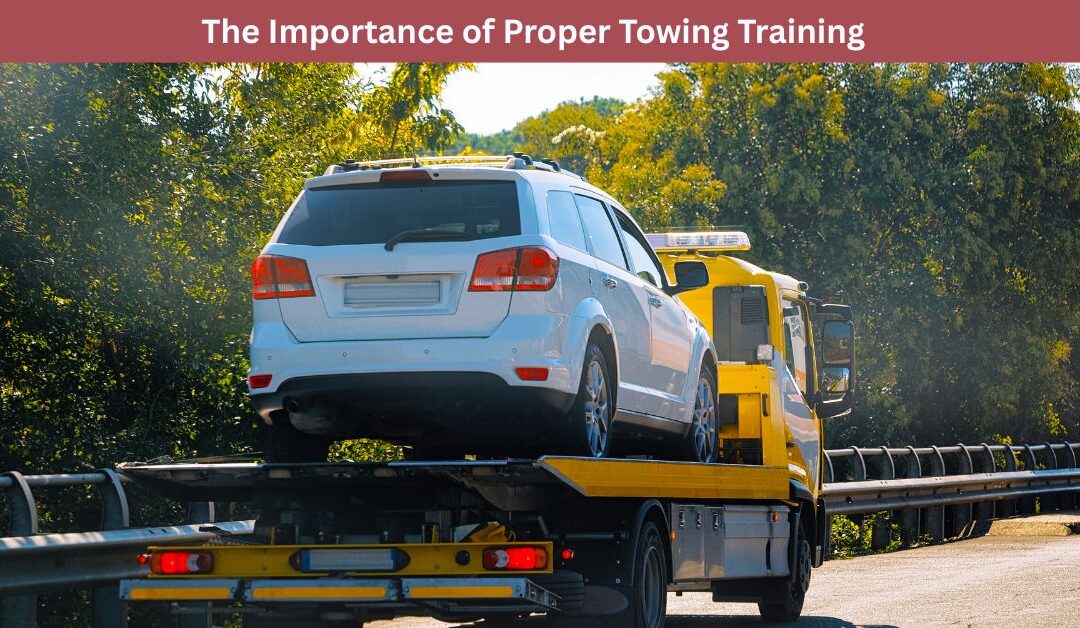
For example, some vehicles require flatbed towing to prevent damage to the transmission or suspension. Others may be suitable for wheel-lift towing under specific conditions. Without proper knowledge, using the wrong method can cause serious mechanical damage.
Training teaches tow truck operators how to assess each situation and select the safest towing technique. This ensures that vehicles are transported without unnecessary wear or damage.
A solid understanding of vehicle types is essential for safe and effective towing.
Learning Safe Equipment Operation
Tow trucks are equipped with specialized tools such as winches, hydraulic lifts, and secure attachment systems. These tools are powerful and must be used correctly to avoid accidents.
Proper training ensures that operators know how to handle this equipment safely. They learn how to attach vehicles securely, balance weight, and operate lifting systems without causing harm. Incorrect use of equipment can lead to vehicle instability or even equipment failure.
Training also includes regular inspection of towing equipment to ensure it is in good working condition. Well-maintained tools reduce the risk of breakdowns during operations.
Safe equipment handling is a critical part of towing training and helps prevent accidents on the road.
Managing Roadside Safety Risks
Towing often takes place in high-risk environments such as busy highways or poorly lit roads. Tow truck operators must be prepared to handle these conditions safely.
Training teaches operators how to position their trucks to protect themselves and others. They learn to use warning lights, cones, and safety zones to create a safer working area.
Operators are also trained to assess traffic conditions and make quick decisions to avoid dangerous situations. This includes knowing when to move a vehicle immediately or wait for additional support from authorities.
By understanding roadside risks, trained operators can reduce the chances of accidents and ensure safer working conditions.
Improving Efficiency and Response Time
Proper training not only improves safety but also increases efficiency. Experienced tow truck operators can complete tasks more quickly and effectively, reducing the time vehicles remain stranded on the road.
Faster response and service times help minimize traffic disruptions and reduce the risk of secondary accidents. Drivers benefit from shorter wait times and quicker solutions to their problems.
Training also helps operators communicate better with customers, understand their needs, and provide clear instructions during the towing process.
Efficiency is an important part of professional towing, and training ensures that operators can deliver high-quality service consistently.
Meeting Legal and Industry Standards
Towing is a regulated industry, and operators must follow specific laws and guidelines. Proper training ensures that tow truck drivers understand these regulations and operate within legal limits.
This includes knowledge of towing laws, weight limits, safety procedures, and documentation requirements. Failing to follow these rules can result in fines, legal issues, or unsafe practices.
Training programs often include updates on new regulations and industry standards, helping operators stay informed and compliant.
Meeting legal requirements protects both the towing company and the customer, ensuring that services are provided responsibly.
Conclusion
Proper towing training is essential for ensuring safety, efficiency, and professionalism in the towing industry. From understanding vehicle types and operating equipment safely to managing roadside risks and following legal standards, training prepares tow truck operators for a wide range of situations.
Well-trained professionals are better equipped to handle emergencies, protect vehicles from damage, and keep roads safe for everyone. Their knowledge and experience make a significant difference in the quality of service provided.
By recognizing the importance of proper towing training, drivers can better appreciate the value of professional towing services and trust that their vehicles are in capable hands.
Melbourne Towing Guys
12 Esperance Rd
Mount Waverley VIC 3149
(03) 7037 7636
Recent Comments