Electric vehicles (EVs) are becoming increasingly common on the roads, offering drivers an eco-friendly and cost-efficient alternative to traditional cars. However, when an EV breaks down or requires towing, the process is not as straightforward as it is for a conventional vehicle. EVs have unique components such as high-voltage batteries, regenerative braking systems, and sensitive electronic controls that demand specialized handling. Without the right knowledge and equipment, towing an electric car can result in severe and costly damage. Understanding the proper way to tow electric vehicles is essential not only for tow truck operators but also for EV owners who may find themselves in an emergency.
Understanding the Unique Challenges of Towing Electric Vehicles
Unlike petrol or diesel cars, EVs are not built to be towed with their wheels on the ground. Most electric vehicles are equipped with regenerative braking systems that convert wheel movement into stored energy within the battery. When these vehicles are towed incorrectly, the system may continue generating electricity without proper regulation, potentially damaging the motor or overloading the battery.
Additionally, EVs typically have a lower ground clearance compared to traditional cars, making them more vulnerable to undercarriage damage if towed improperly. The placement of the heavy battery pack also adds extra weight, meaning that handling and lifting require greater care. Understanding these mechanical differences is crucial before attempting to move an electric car.
Flatbed Towing: The Safest Method for EVs
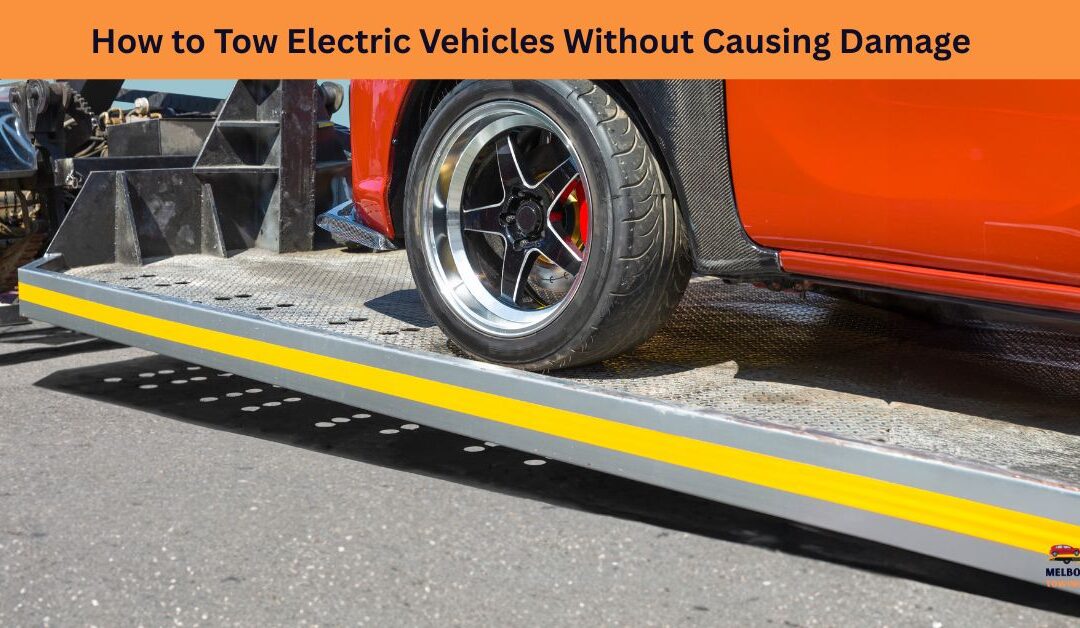
The safest and most recommended way to tow an electric vehicle is by using a flatbed tow truck. A flatbed ensures that all four wheels of the car are lifted off the ground, eliminating the risk of the wheels turning and the regenerative system activating. It also reduces the chances of scraping the undercarriage or straining the drivetrain.
Flatbed tow trucks are widely available, but it is important to confirm that the company you call has the proper equipment for handling EVs. Loading an electric vehicle onto a flatbed requires additional caution, especially since many EVs cannot be put into neutral like a traditional automatic car. Special dollies, skates, or winching systems may be needed to move the car safely onto the platform without engaging the wheels.
Using Dollies and Wheel Lifts for Short Distances
In situations where a flatbed is not available, wheel lifts and tow dollies can sometimes be used to transport an EV over short distances. With this method, the drive wheels are lifted off the ground while the non-drive wheels remain in contact with the road. For example, in a front-wheel-drive EV, the front wheels must be elevated so they cannot rotate during the tow.
However, this method carries certain risks and should only be used for brief transport. If the wrong wheels remain on the ground, the towing process can lead to overheating or electrical damage. Even with dollies, there is a risk of battery strain or misalignment if the operator is not highly skilled. Therefore, dollies should be considered a last resort when a flatbed is not immediately available.
Precautions for Towing Hybrid and Plug-in Hybrid Vehicles
Hybrid and plug-in hybrid vehicles combine both traditional combustion engines and electric motors, which means they have their own towing considerations. Depending on the make and model, some hybrids may allow limited towing with their wheels on the ground, while others must always be flatbed transported.
It is essential for both tow operators and drivers to consult the vehicle’s manual before towing. Manufacturers often provide specific guidelines, such as speed limits or maximum towing distances, when using a wheel lift. Failure to follow these instructions can cause damage to both the electric drive system and the combustion engine. Proper training and awareness are therefore vital when handling these dual-powered vehicles.
Why Professional EV Towing Services Are Essential
While some drivers might consider DIY solutions or cheaper towing options, electric vehicles require specialized handling that not every company provides. Professional towing operators trained in EV recovery have the right equipment, knowledge, and experience to ensure the vehicle is transported safely. They understand the risks of improper handling and can prevent damage to expensive components such as the high-voltage battery, electric motor, and software systems.
Calling a qualified EV towing service also provides peace of mind. Instead of worrying about whether your vehicle is being handled correctly, you can trust that it will be transported without causing further issues. As electric vehicles continue to grow in popularity, more towing companies are investing in specialized EV recovery training, ensuring that help is available whenever drivers need it.
Conclusion
Towing an electric vehicle requires far more care than towing a traditional petrol or diesel car. The presence of sensitive electronics, regenerative braking, and high-voltage batteries means that the wrong towing method can lead to costly and sometimes irreversible damage. Flatbed towing remains the safest and most reliable option, while dollies may be used cautiously for short distances if no other choice is available. Hybrid and plug-in hybrids also come with their own manufacturer-specific rules that must be followed. Ultimately, professional EV towing services are the best solution for ensuring that your vehicle reaches its destination safely. With the right knowledge and equipment, both drivers and towing companies can handle electric vehicle breakdowns with confidence.
Melbourne Towing Guys
12 Esperance Rd
Mount Waverley VIC 3149
(03) 7037 7636
Recent Comments